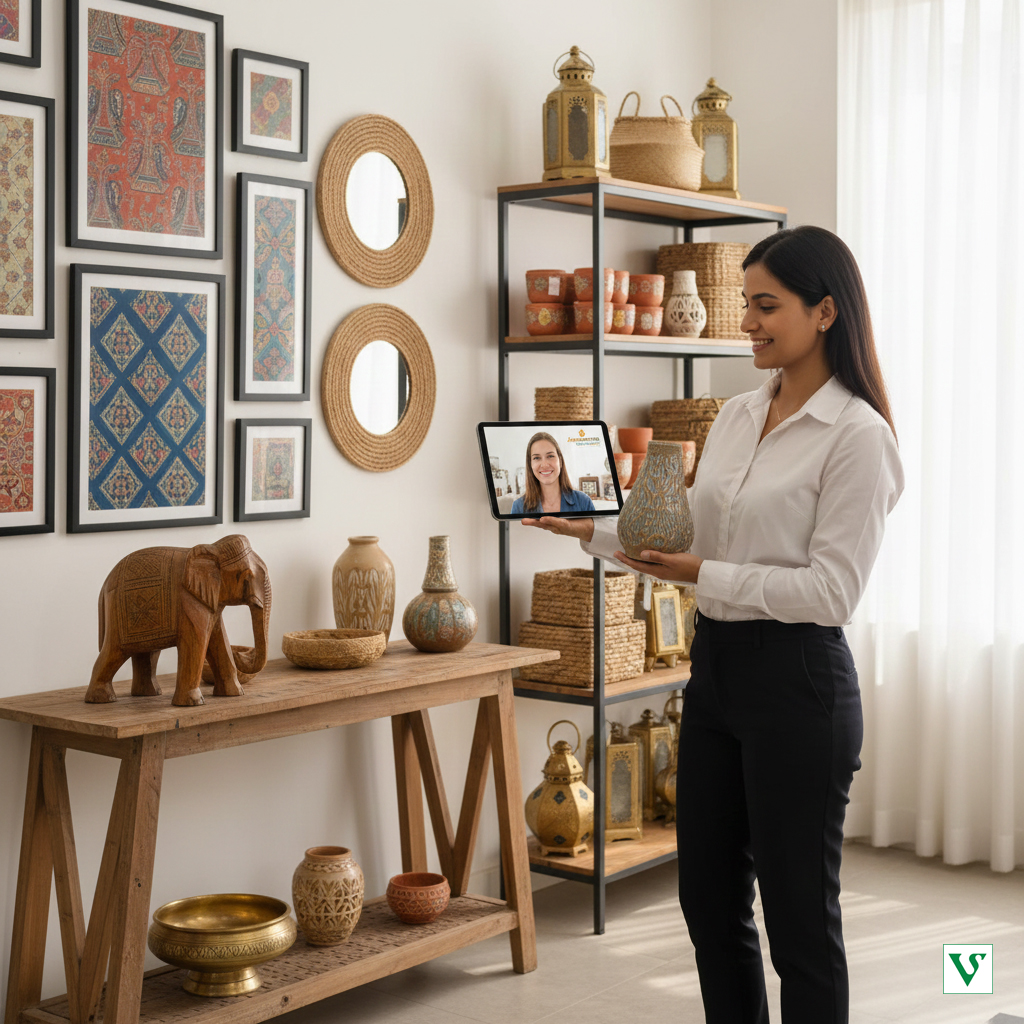
D2C brands selling kitchen, organization, utility and home products need more than an attractive factory quote. Hard goods can involve tooling, material specifications, surface finishes, functional testing, packaging design and product-specific compliance. India offers suppliers in selected metal, wood, glass, ceramic and plastic household categories, but capabilities and scale vary by process and product.
Start with the product’s material and manufacturing process
A stainless-steel utensil, a wooden organizer, a ceramic serving item and a plastic storage container have very different manufacturing and testing needs. Define the material grade or specification, dimensions, weight, finish, construction, function and intended use. Clarify whether the factory makes the product or assembles components sourced from other vendors.
Evaluate tooling, MOQ and commercial terms
Some products require molds, dies, patterns, jigs or other setup costs. Confirm who owns the tooling, how it is maintained, whether it can be transferred and what happens if production is moved. Ask for MOQ by material, color, finish and design. Compare price breaks and understand whether a lower unit price depends on a larger order commitment.
Check function and finish—not only appearance
For functional goods, make a test plan around how the customer will use the item. Depending on the product, this may include load, stability, closure, sharp-edge, corrosion, heat, food-contact or other performance considerations. Surface inspection should cover finish consistency, coating, scratches, burrs, welds, joints, color and dimensions.
Packaging and compliance need early attention
Glass and ceramic products may need protective packing and transit validation. Products intended for food contact, children or specific household uses may face additional regulatory and testing requirements in destination markets. Determine applicable rules before finalizing the specification; do not assume a generic supplier certificate covers every SKU or market.
Build a supplier approval checklist
- Factory process and equipment match the required material and construction.
- Subcontractors and component sources are identified and controlled.
- Approved samples and product drawings are version-controlled.
- Functional, chemical or safety testing is defined where applicable.
- Packaging protects the item through export and fulfilment handling.
- Production capacity, lead time and corrective-action process are confirmed.
D2C brands benefit from sourcing partners who understand manufacturing processes, not simply country names. Vanguard Sourcing helps buyers assess selected Indian manufacturers and coordinate product development, supplier communication and quality follow-up.
Planning a new product or supplier programme? Vanguard Sourcing supports D2C brands, retailers and importers with supplier identification, product development, merchandising, production coordination and quality follow-up in India. Discuss your sourcing requirement or review our India sourcing support.
Related sourcing guides: Related category guides: home décor and lifestyle sourcing in India, landed-cost comparison across India, China and Vietnam, and quality control for D2C brands.