

D2C brands increasingly communicate product origin, materials, durability and supplier responsibility to their customers. These claims must be supported by credible evidence. Whether a brand sources from India, China, Vietnam or another Asian market, ethical and sustainable sourcing requires supplier due diligence, clear standards, traceability and careful communication. A “green” material or an audit certificate alone does not prove that every part of a supply chain is responsible.
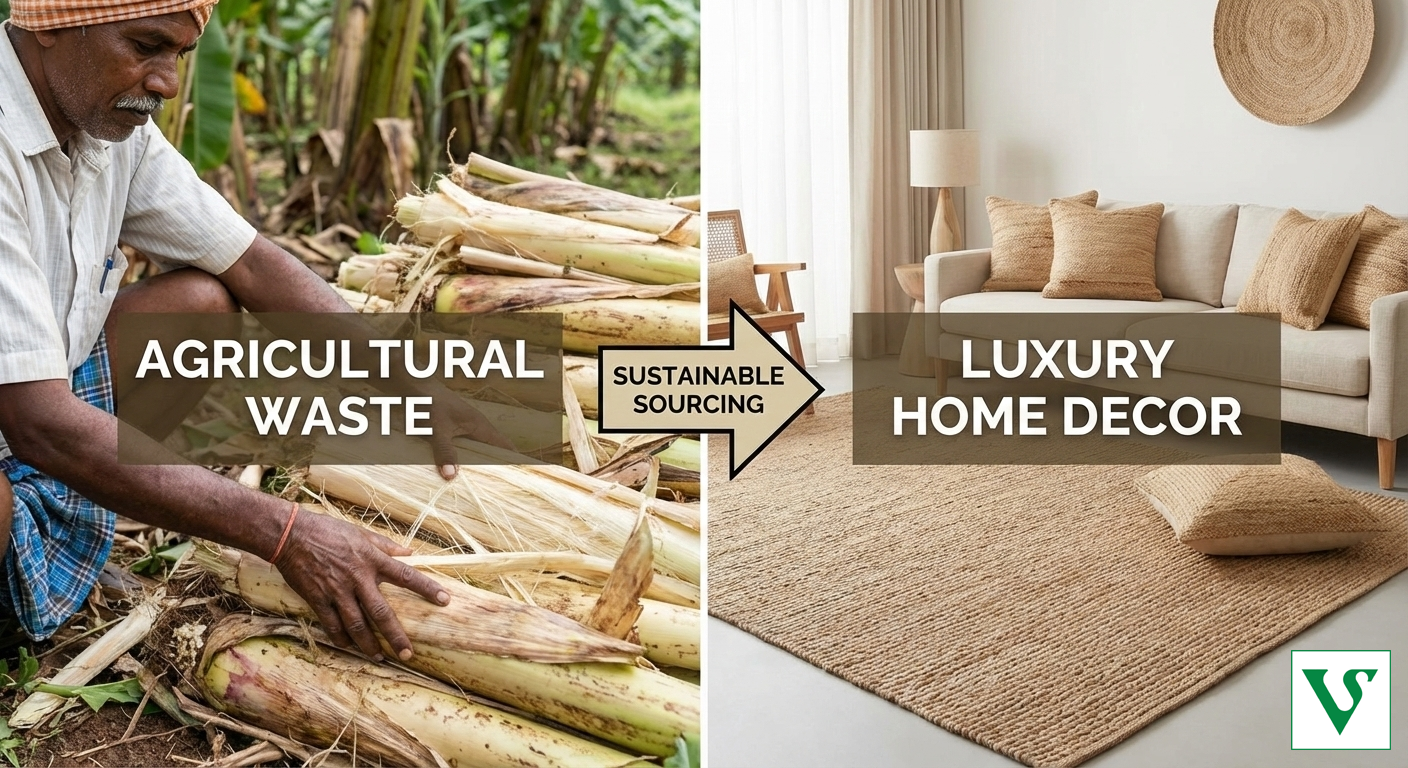
Define what responsible sourcing means for your brand
Translate broad commitments into measurable requirements. These may include working conditions, health and safety, working hours, wages, grievance processes, environmental management, wastewater, energy use, chemical management, waste reduction, material traceability and product durability. The priority areas depend on the product and risk profile.
Map the supplier and subcontracting chain
Identify the factory that makes the finished product, the key processing sites and critical raw-material sources. Understand which stages are subcontracted and how approval, quality and labor standards are carried through those stages. A supplier list that names only the final exporter may not provide enough visibility for higher-risk products or claims.
Verify audits and certifications carefully
Review audit reports and certificates for the actual site, scope, issuing body, validity period and limitations. A certificate may apply to a material, product, management system or specific facility—not automatically to every item a supplier sells. Ask how findings are corrected and whether follow-up verification took place.
Use materials and claims responsibly
Material claims such as organic, recycled, biodegradable, natural or low-impact should be supported by appropriate chain-of-custody or test evidence where required. Confirm that the claim relates to the relevant component and percentage of the finished product. Avoid broad environmental statements that cannot be substantiated or that imply a product has no impact.
Design for durability and lower waste
Longer product life, repairability, efficient packaging and reduced production waste can support a more responsible product strategy. For home goods, consider construction quality, care instructions, material mix, repair or replacement parts and packaging volume. Product durability also contributes to customer satisfaction and can reduce return and replacement costs.
Turn due diligence into a continuous process
- Set supplier standards and risk criteria before onboarding.
- Collect facility, audit, certification and traceability evidence.
- Review high-risk processes and subcontractors.
- Agree corrective actions with deadlines and verify closure.
- Monitor performance and update risk assessments periodically.
Responsible sourcing is a process, not a marketing label. Vanguard Sourcing can support supplier identification and production coordination in India while buyers retain responsibility for validating their own compliance standards and public claims.
Planning a new product or supplier programme? Vanguard Sourcing supports D2C brands, retailers and importers with supplier identification, product development, merchandising, production coordination and quality follow-up in India. Discuss your sourcing requirement or review our India sourcing support.
Related sourcing guides: See also quality control for brands sourcing across Asia, product compliance across major import markets, and how to vet manufacturers in India.
Turn responsible-sourcing commitments into verifiable controls
A sourcing policy becomes useful when it defines who must provide which evidence, when it is reviewed and what happens when information is incomplete. Map the supplier, production site and important subcontractors for the processes that affect the product. Use risk-based questions that match the material, process, geography and intended claim; a generic questionnaire alone may not show whether a specific risk is controlled. Keep records of the evidence reviewed, its date and scope, and any corrective action agreed.
Substantiate material and product claims
Claims such as recycled, organic, responsibly sourced, low impact or ethically made should be traceable to the material, product and supply-chain stage they describe. Confirm chain-of-custody records, transaction documents, test reports or certification scope as appropriate, and check that public wording does not imply more than the evidence supports. Product longevity and lower-waste design can also be supported through durable construction, repairability where relevant, packaging decisions and clear care guidance, but avoid presenting intentions as verified outcomes.
For India product examples, see our guide to sustainable cotton and recycled textile sourcing, alongside supplier development and management in India. Buyers should verify current requirements and claims with their compliance advisers.