

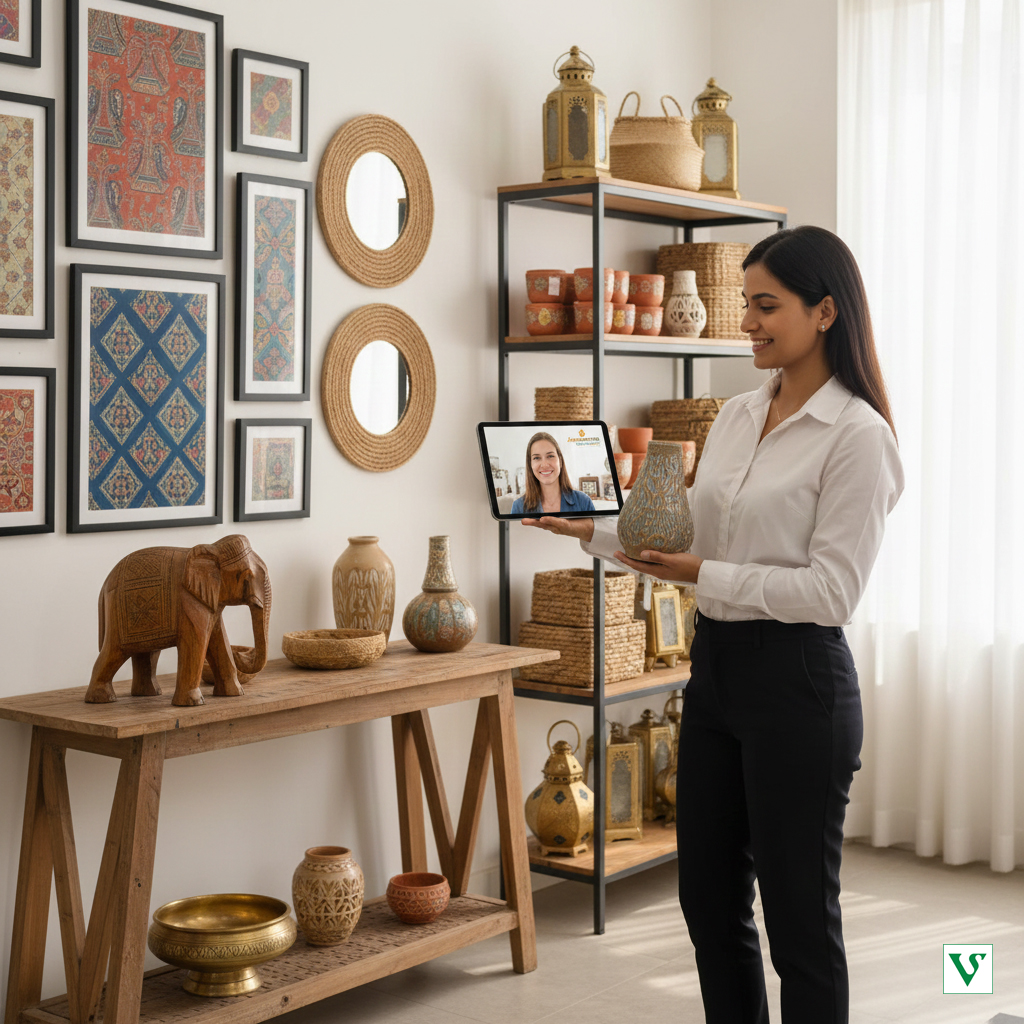
Looking for private-label manufacturers in India to develop products under your own brand? Vanguard Sourcing supports international D2C businesses, ecommerce brands, retailers and importers with manufacturer identification and product-development coordination across selected Indian product categories.
A private-label or OEM project starts with a commercial and technical brief. The manufacturer must understand the product construction, materials, branding, packaging, target quantity, quality expectations and destination market. We help coordinate this information with potential suppliers, manage sample feedback and follow up on the requirements agreed for bulk production.
Private Label and OEM Sourcing: What Is the Difference?
Private-label sourcing generally involves a manufacturer producing goods that are sold under the buyer’s brand, often using an existing or adapted product design. OEM arrangements can involve manufacturing to a buyer-provided specification, design or technical requirement. The exact meaning and responsibilities vary by industry and contract, so the buyer and supplier should document product ownership, tooling, design rights, specifications and permitted use.
Private Label Product Categories We Can Assess
- Home textiles: bedding, quilts, cushion covers, curtains, towels and table linen.
- Floor coverings: rugs, dhurries, bath mats and selected textile mats.
- Home décor: metal, wood, marble, ceramic, glass and woven accessories.
- Household hard goods: selected kitchenware, storage and utility products.
- Lifestyle accessories: selected products where supplier capability and compliance requirements fit the brief.
From Brand Concept to Production-Ready Product
1. Brand and product brief
Share your concept, reference images, drawings, target market, intended customer, material preferences, product positioning, target quantity, target cost and expected launch timeline.
2. Manufacturer matching
We identify potential suppliers with relevant product and process capabilities. The shortlist should distinguish actual manufacturing locations from trading or export offices, and clarify which processes are subcontracted.
3. Sampling and specification approval
We coordinate sample development, collect technical feedback and record approved changes. The final product specification should cover dimensions, material, construction, finish, branding, labeling, packaging and relevant quality or performance checks.
4. Costing and MOQ review
Supplier quotations are compared on aligned product details and order quantities. Discussions can cover tooling, development charges, material minimums, price breaks, packaging, payment milestones and lead time.
5. Production and brand-quality follow-up
Once the buyer approves the supplier, sample and commercial terms, production milestones and quality checks are followed according to the agreed scope. Changes to materials, artwork, components or manufacturing location should be approved before implementation.
Protect Your Brand, Design and Product Requirements
Brand owners should agree in writing who owns artwork, patterns, moulds, tooling, technical drawings, product designs and any bespoke intellectual property. Clarify confidentiality, approved subcontractors, production overruns, rejected goods, sample retention and restrictions on selling branded or exclusive designs to other buyers. Obtain legal advice for contracts and intellectual-property protection where required.
Testing, Labeling and Destination-Market Requirements
Private-label products must meet the applicable rules in the markets where they will be sold. Requirements depend on the product, materials, intended use, age grading and claims. Testing, labeling and certification should be confirmed before production with the buyer’s compliance team or qualified specialists.
Frequently Asked Questions
Can you develop a product from a reference image?
A reference image can begin the process, but dimensions, materials, construction, finish, packaging and performance requirements are needed for accurate development and costing.
Can you help with low-MOQ private-label orders?
We can discuss MOQ with suppliers. Minimums depend on material sourcing, print or dye lots, tooling, setup and production process. Not every factory can support small launch quantities.
Will Vanguard own the product design?
No automatic ownership is implied. Design, tooling and intellectual-property ownership should be specified in the buyer-manufacturer agreement. Vanguard Sourcing coordinates sourcing activities and does not claim ownership of a buyer’s brand or design.
Explore our D2C product sourcing service, product development support and product categories.
Discuss your sourcing requirement with Vanguard Sourcing. Share your product category, specification, target quantity and destination market. Contact our team to discuss the appropriate India sourcing support. You can also review our sourcing agent services in India.
Private label, OEM and product development: related workstreams
Private label and OEM programmes usually involve several connected workstreams. A brand may begin with a concept or reference product, then confirm technical feasibility, identify a suitable manufacturer, develop samples and approve the production specification. Our product development and sampling page explains the development stage, while OEM and contract manufacturing in India covers manufacturer-side arrangements. For brands selling directly to consumers, see D2C product sourcing. Before production, define who owns designs and tooling, who approves changes, what quality standard applies and which party is responsible for destination-market compliance.