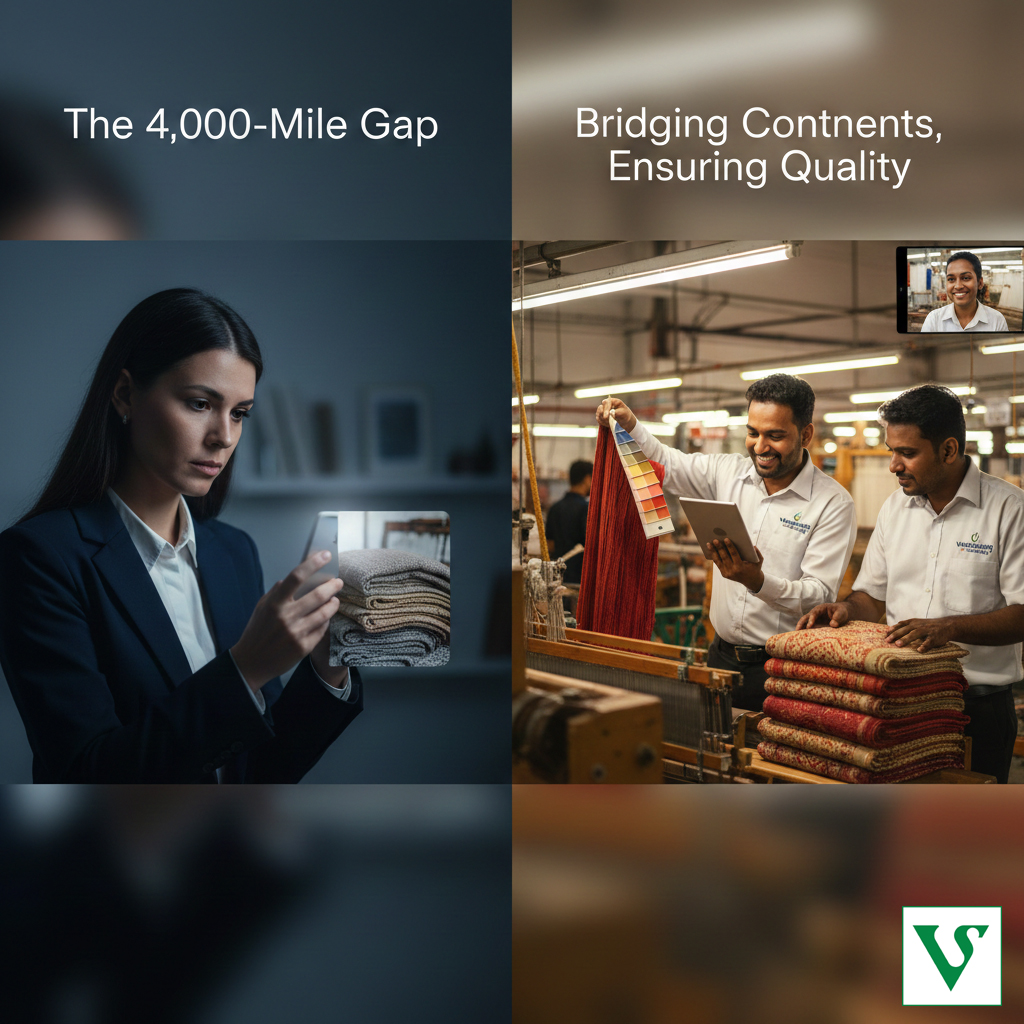
For a D2C brand, product development is where design intent becomes a manufacturable product. A concept may look clear in a mood board, but the factory needs accurate information about construction, materials, dimensions, finishes, workmanship, packaging and performance. When developing products in India, a disciplined process helps bridge the gap between a brand’s creative direction and the supplier’s production capabilities.
Translate the concept into a technical brief
Start by defining the product’s purpose, customer, target retail position and key points of differentiation. Then build a technical pack with reference images, drawings, measurements, tolerances, material composition, color standards, construction details, finishing instructions, packaging and labeling. Include the intended quantity and target cost so the supplier can assess feasibility.
Separate essential requirements from optional design features. This gives the factory room to suggest production-friendly alternatives without changing the product’s core identity.
Select suppliers based on process fit
India has manufacturers across textiles, home furnishings, rugs, décor, handicrafts and selected hard goods. However, a supplier that is strong in weaving may not have the right capability for quilting, tufting, embroidery, printing or specialized finishing. Match the supplier to the process and identify subcontracted stages before development begins.
Make samples in planned stages
A useful development sequence may include a material swatch, construction or workmanship trial, first prototype, revised sample and final pre-production sample. Not every product needs every stage, but the sequence should reflect technical complexity and the cost of getting it wrong.
Provide consolidated comments after each review. Record measurements, color references, material changes and approved tolerances. A clear approval trail prevents a factory from working from an outdated image or an informal message.
Validate costing alongside design decisions
Product design and costing should move together. Ask suppliers to explain the main cost drivers: material consumption, process steps, labor, components, finishing, packing, wastage and order quantity. Compare alternatives such as material substitutions or simplified construction only after checking how they affect durability, appearance and customer expectations.
Check compliance and testing requirements early
Identify product regulations, buyer standards and testing needs before the final sample is approved. Requirements vary by product, material, intended use, age grading and destination market. Discuss test methods, laboratory selection, labeling and documentation with your compliance team or qualified specialist.
Approve production readiness
- Final sample and technical specification are approved and version-controlled.
- Cost, MOQ, packaging, labeling and purchase-order terms are agreed.
- Raw materials and critical components are confirmed.
- Quality standards, inspection checkpoints and defect criteria are documented.
- Production capacity, delivery milestones and escalation contacts are agreed.
Treat the first order as a learning cycle
Review the first bulk run against the approved sample and technical pack. Capture any issues in a corrective-action log and update the specification or process controls before repeat production. Development is not complete when the sample is signed off; the real test is whether the approved product can be reproduced consistently at commercial scale.
Vanguard Sourcing coordinates product development and supplier communication for international buyers across India. Read about our sourcing process or talk through a new product brief.
Planning your next product launch? Vanguard Sourcing supports international D2C brands, retailers and importers with supplier identification, product development, merchandising, production coordination and quality follow-up in India. Discuss your sourcing requirement or learn about our India sourcing support.
Related sourcing guides: For category-specific development, read private-label home textiles in India, MOQs, sampling and production planning, and how to vet manufacturers in India.